Tijuana, Ensenada, or Valle: Pick Your Base
- Choose the trip first, then the base
- The honest comparison
- Ensenada vs Tijuana: the direct answer
- Pick Tijuana for the city itself
- Pick Ensenada for the balanced middle
- Pick Valle for a rural stay, not a crawl
- Best base without a car
- Best base with a car
- Best choice by trip style
- A two-base plan usually wins
- Let season and conditions break the tie
- Sources
Choose the trip first, then the base
Choose Tijuana for a dense urban trip and immediate border access, Ensenada for a smaller coastal base with harbour and regional outings, or Valle de Guadalupe for a rural wine-country stay that requires deliberate transport and reservations. None is the “best part of Baja” in every situation.
First-time visitors can combine Tijuana and Ensenada, then visit Valle as a day trip with a sober driver or reputable arranged transport. Before choosing, check current government advisories, neighbourhood and road conditions, weather, venue hours, and lodging legitimacy. This is an independent guide, not a hotel or booking service.
The honest comparison
| Base | Best fit | Strongest advantage | Main planning friction | Car usefulness |
|---|---|---|---|---|
| Tijuana | Food, culture, urban energy, short first visit | Closest to major land crossings and densest city options | Big-city navigation, traffic, and neighbourhood-specific planning | Optional for a compact stay; can be a burden |
| Ensenada | Harbour, seafood, central walking, coastal outings | Balanced urban services and regional access | Excursions still need transport and live condition checks | Helpful, not essential for a central-only stay |
| Valle de Guadalupe | Wine, food, rural landscape, slow stay | Immersion after day visitors leave | Spread-out venues, unpaved access, limited late transport | Usually important unless transport is pre-arranged |
For current risk information, start with your home government. As of September 1, 2026, the U.S. Department of State’s Mexico advisory, issued May 29, 2026, lists Baja California at Level 3: Reconsider Travel due to terrorism, crime, and kidnapping. Its state section advises remaining on main highways and avoiding remote locations, and notes high homicide numbers in non-tourist areas of Tijuana. U.S. travellers should read the complete state-specific section; everyone should check their own government’s current advice.
Ensenada vs Tijuana: the direct answer
Choose Tijuana for a border-city trip with urban intensity, nightlife, culture, and less onward travel. Choose Ensenada for the Pacific coast, harbour, seafood, and easier Valle access. Baja California’s official destination pages frame Tijuana around its border-city food, culture, art, and nightlife, while Ensenada is a Pacific port tied to food, outdoor activities, and the wine-valley region.
| Decision | Tijuana | Ensenada |
|---|---|---|
| Short first stay | Stronger for one or two nights and minimal onward distance | Better when two or three nights allow a slower coastal base |
| Urban or coastal | Dense city, markets, culture, nightlife | Harbour, seafood, coast, regional outings |
| Without a car | Stronger for a compact urban plan | Works centrally; outings need separate transport |
| Valle day | Possible, but adds more travel friction | The more natural urban base for a Valle day |
| First border crossing | Keeps the first day geographically compact | Requires onward travel after the crossing |
You can stay in one and visit the other, but treat that as an intercity travel day, not a bonus stop squeezed between lunch and dinner. Confirm the operator, terminal, schedule, luggage rules, and arrival point shortly before leaving. Drivers should plan daylight travel on main routes consistent with current advice. U.S.-bound travellers should check the CBP Border Wait Times tool live instead of relying on a saved result.
Pick Tijuana for the city itself
Tijuana is not merely a border queue with tacos attached. It is a large, complicated city with neighbourhood food, galleries, markets, music, design, and nightlife. It rewards travellers who choose a focused area and verify a short list rather than trying to collect the city in one afternoon.
Tijuana fits when you want:
- a one- or two-night city break;
- minimal onward travel after crossing;
- broad dining and cultural choice;
- a car-free or car-light plan in a compact area;
- an early position for the northbound border.
Its friction is also urban: traffic, parking, uneven pedestrian conditions, noise, and neighbourhood-specific risk. Choose verified lodging based on actual address, arrival method, secure parking if needed, and how you will return after dark. “Central” is not a transport plan.
For a short visit, do not bring a vehicle by reflex. Parking and navigation may add more work than they solve. Research pedestrian border crossing, reputable authorised transport, and current local options. Keep an offline address, a backup transport method, and a data plan that works after crossing.
Pick Ensenada for the balanced middle
Ensenada provides a more compact coastal base with harbour activity, food, cultural sites, and access to regional outings. Central areas can support walking between selected stops, while a vehicle or arranged transport opens the coast and Valle.
Ensenada fits when you want:
- two or three nights without changing rooms;
- a coastal city rather than a major border metropolis;
- a day in Valle without sleeping there;
- harbour or marine activity, subject to conditions;
- enough services to make a flexible itinerary easier.
Its friction comes from combining too many day trips. A Valle day, a distant coastal attraction, a boat outing, and a long border return do not all belong on the same page of the calendar.
Verify marine operators, weather, life-jacket practice, and cancellation policies. Wildlife sightings are not guaranteed. Check coastal access and surf conditions before visiting viewpoints. Follow barriers and closure notices.
Ensenada is often the most adaptable base of the three, but “adaptable” is not “effortless.” Current events, cruise calls, road works, and weekends can change traffic and availability.
Pick Valle for a rural stay, not a crawl
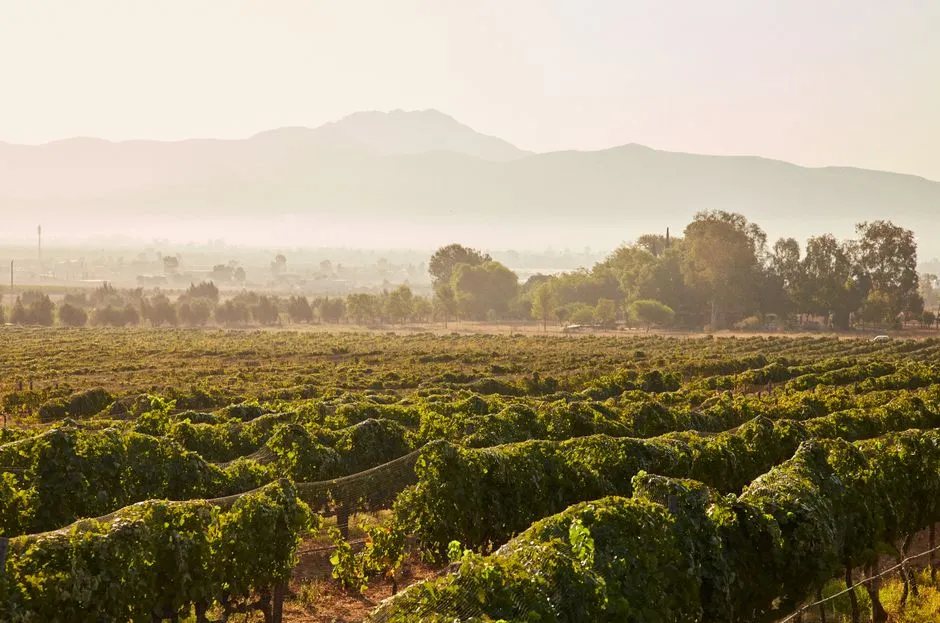
Valle de Guadalupe is a wine and food region spread across rural roads. It offers landscapes, agriculture, architecture, tasting rooms, and destination restaurants, but it does not function like a compact town centre.
Valle fits when you want:
- a slow rural afternoon and evening;
- a small number of reserved food or wine experiences;
- scenery and property-based downtime;
- no return drive after tasting, because transport is solved;
- a trip comfortable with dust, variable road surfaces, and distance.
Its central planning problem is movement. Arrange a designated driver, vetted driver, or reputable tour before making tasting reservations. Confirm the vehicle, operating legitimacy where relevant, insurance, pickup, duration, inclusions, cancellation terms, and emergency contact. Do not assume on-demand transport or mobile coverage at every property.
Limit timed bookings. Three considered stops often make a better day than six appointments held together by apologies. Build travel margins and eat a real meal. Alcohol-free travellers can still enjoy food, landscape, architecture, and nonalcoholic offerings; verify what each venue currently provides.
Accessibility varies. Ask each property about steps, gradients, loose gravel, restroom access, seating, shade, heat, and the distance from drop-off. “Rustic” can be lovely marketing and terrible mobility information.
Best base without a car
Tijuana is generally the strongest car-free candidate because it has the densest urban fabric and border access. Ensenada can work for a central stay if onward outings use arranged transport. Valle needs the most planning and is a poor place to improvise a late ride.
Verify current authorised taxi practices, app coverage, tour credentials, fares, pickup locations, and return availability. Ask lodging providers for information, then independently confirm the operator. Do not send a passport image or full itinerary to an unverified contact.
For intercity travel, confirm terminals, operators, schedules, luggage rules, and arrival locations directly shortly before travel. Schedules and stops change, so confirm them with the current operator rather than relying on an old timetable.
Best base with a car
A car helps with Ensenada excursions and gives Valle flexibility, but it creates obligations: valid documents, Mexican insurance, safe parking, route research, fuel, and a driver who remains sober. Our driving requirements guide covers those checks.
Tijuana can be easier without a car when the plan is compact. Ensenada benefits from one but does not require it for every city-centre trip. Valle often benefits most, provided no driver drinks.
Plan unfamiliar intercity driving in daylight, remain on main routes consistent with current advice, and do not let a navigation app choose a shortcut without context. The fastest route is a calculation; the appropriate route is a judgement.
Best choice by trip style
Food-first weekend
Choose Tijuana for breadth and urban variety, or Ensenada for seafood and a calmer coastal rhythm. Book only places that require it; leave room for a spontaneous meal whose existence you verify that day.
Wine-focused trip
Choose Valle for immersion or Ensenada for easier urban services. Confirm sober transport before booking tastings.
First border crossing
Tijuana minimises onward distance, but city complexity remains. Cross early, keep the first day compact, and confirm immigration steps and the return process. A short trip does not mean document rules become short-form.
Coast and harbour
Ensenada is the natural base. Check marine weather, operator practices, and road access live. Bring layers because Pacific conditions can differ sharply from an inland forecast.
Quiet property stay
Valle can suit, but verify construction, event noise, road access, heating or cooling, water, power backup if important, and meal options. Rural beauty does not automatically include silent neighbours or a 24-hour front desk.
A two-base plan usually wins
For four or five days, spend the first night in Tijuana and two or three nights in Ensenada, visiting Valle with arranged transport. This reduces room changes while preserving an urban arrival and a rural day. Our five-day road-trip planner shows that sequence.
Stay in Valle instead of Ensenada when the rural evening is a core purpose and the property, access, meals, and transport are all confirmed. Stay only in Tijuana when the city itself is the trip or time is short.
Do not add La Paz or Los Cabos. They are in Baja California Sur, a separate state far down the peninsula. The word “Baja” often hides enormous distances behind four friendly letters.
Let season and conditions break the tie
Pacific Tijuana and Ensenada can be cool, cloudy, or windy even when inland Valle is warmer. Summer heat matters more inland; winter rain can affect rural and unpaved access. Events change demand and traffic.
Use the trip-type season guide for the broad pattern, then check forecasts, fire and civil-protection information, road reports, and venue notices close to departure.
The final choice is simple once the trip is honest: Tijuana is the city, Ensenada is the balanced coast base, and Valle is the rural destination. Pick the friction you are prepared to manage as carefully as the experience you want. Travel planning improves remarkably when both get invited to the same meeting.